
Guide
USDA inspection legend rules: the 4 most-missed details
A practical walkthrough of the most-missed USDA inspection legend requirements — from a label printer who knows FSIS regs, not just FDA.
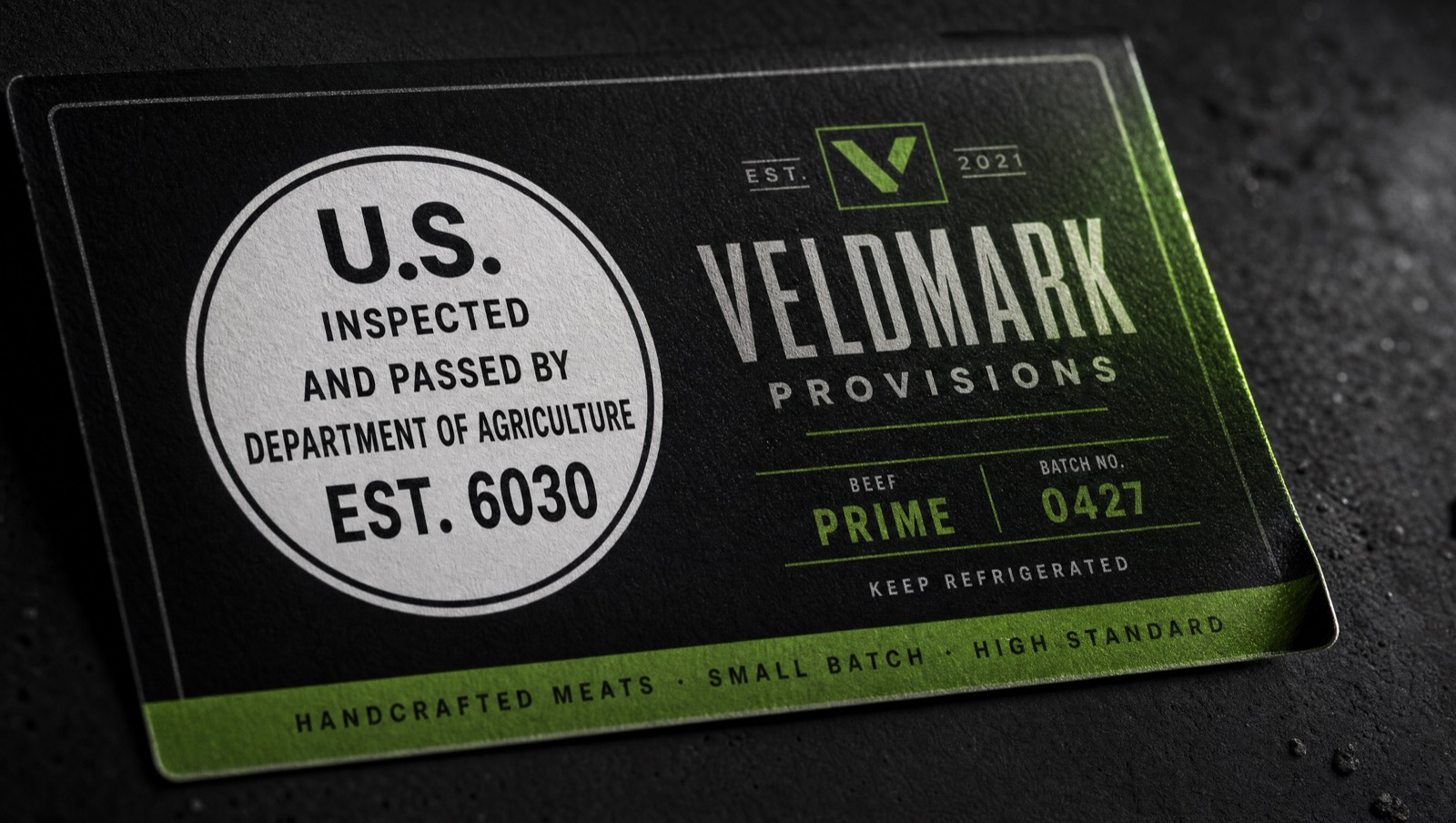
USDA inspection legends seem simple — until you've reviewed a few hundred and realized how often the rules trip up otherwise-careful brands. One thing worth noting upfront: the labels on meat and poultry products aren't governed by the FDA's 21 CFR 101 rulebook — they fall under FSIS regulations, primarily 9 CFR 317 (meat) and 9 CFR 381 (poultry). Most label printers don't know that distinction exists. We do. Here are the four issues we see most.
1. Net weight font size
FSIS regulations under 9 CFR 317.2 and 9 CFR 381.116 dictate minimum type heights based on principal display panel size. We routinely catch labels where the net weight font is 1/16" too small for the package — enough to fail inspection.
2. Wrong establishment number format
The "EST" or "P" prefix matters. Meat = EST. Poultry = P. Egg products = G. Mixing them or omitting the prefix entirely is one of the most common reasons inspection legends get rejected.
3. Distributed By line missing or incorrect
If your product is distributed by a different entity than the establishment that produced it, the "Distributed by [name, address]" line is required. We see brands forget this when they switch co-manufacturers and don't update the label.
4. Inspection legend cropped or hidden
The legend must be visible at the point of sale. If your design crops it, places it under a fold, or covers it with a price sticker, it's a problem. We catch this on artwork review.
The bigger point
None of these are deeply technical issues — but catching them requires knowing which rulebook applies. A label vendor who defaults to 21 CFR 101 when you make poultry products isn't just behind on the details. They're looking at the wrong regulation entirely. We're not your compliance attorney, but we read every label twice — and we know which CFR to open.
// READY TO PRINT
Need labels for your project?
Quotes in 4 hours or less. Decision-makers in 2 minutes or less. Independent since 1991.