// PRODUCT
Flexible Packaging
Stand-up pouches, sachets, and roll-stock film printing for snack food, pet treat, and consumer brands.
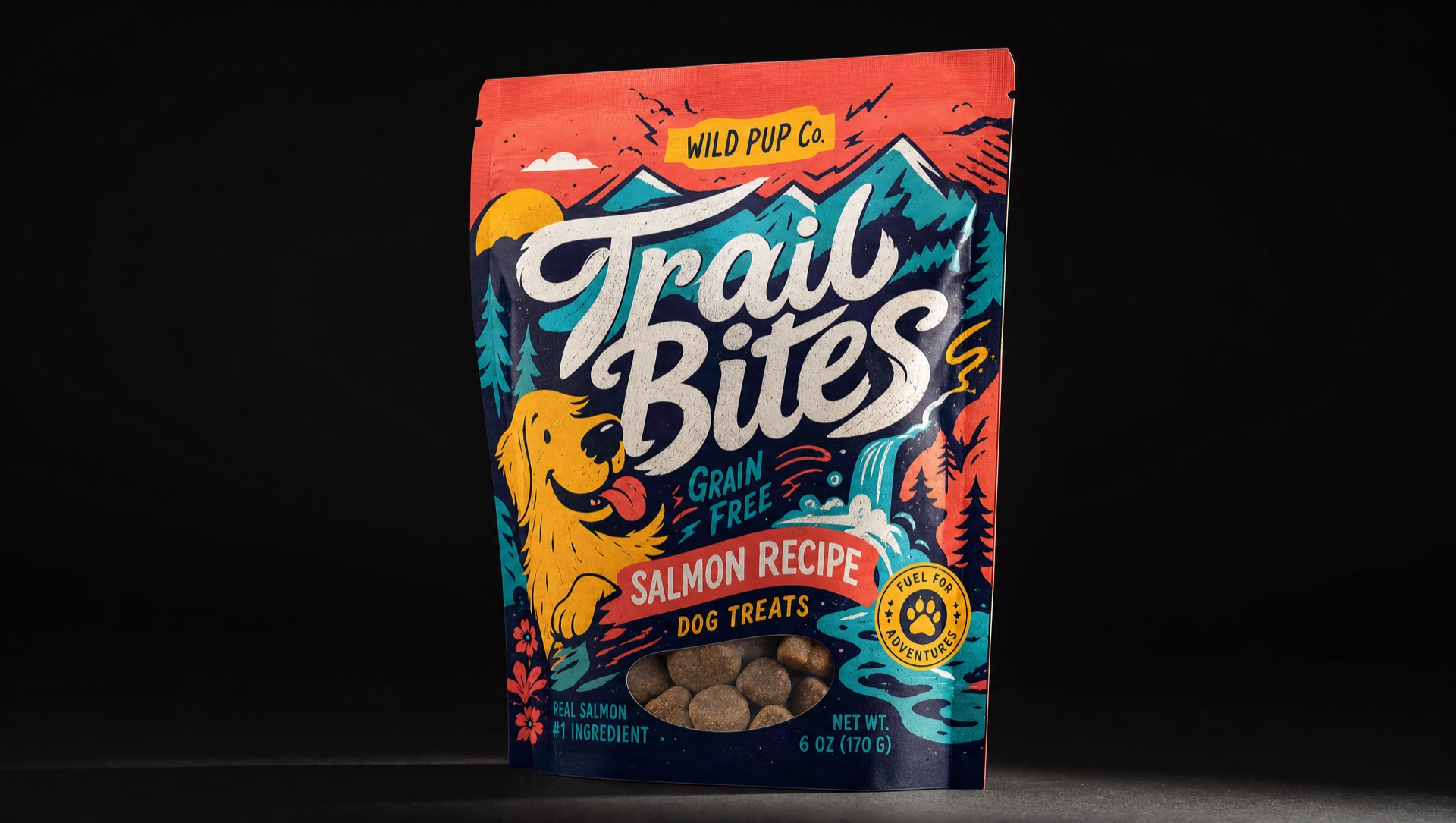
Flexible packaging keeps taking shelf space from rigid formats, and it gives a brand the most shelf presence per inch of facing. A stand-up pouch reads from across the aisle. A sachet costs a fraction of a rigid container at scale. A roll-stock film converts on the customer's filling line at speeds rigid packaging can't match. The trade-off: substrate and structural decisions get harder. Barrier requirements (moisture, oxygen, light), seal performance under filling-line stress, recyclability under the new mono-material guidelines, color consistency on a flexible substrate that moves and stretches — each one has consequences for shelf life, retail acceptance, and unit economics. We print flex pack as a distinct product line — the substrate library, press calibration and finishing capability that does the job right — and it runs through the same pre-press review as your labels.
What flex pack is good for
Flexible packaging is the right call when format and shelf presence both matter. Stand-up pouches for premium snack brands, freeze-dried meals, granola, jerky, pet treats, and supplement powders — anywhere a bag has to stand on a shelf and read across the aisle. Sachets and stick packs for portion-controlled product (energy drink mix, supplement powders, single-serve coffee, sample-size personal care). Roll-stock film for filling lines that form-fill-seal their own packaging — the customer's filling machine cuts and seals as part of their production process, and we supply the printed film roll.
Flex pack is also the right call when shelf weight, freight cost, or sustainability profile matters. Pouches weigh a fraction of rigid containers. Mono-material recyclable structures hit the new state-level packaging recyclability rules that are starting to appear. The trade-off versus rigid is real — less consumer perception of weight and substance, more complex seal-and-fill workflow on the customer side. We help you understand both before we quote the print run.
Where flex pack isn't the right call: very high-volume programs where rigid container economics beat flex pack at scale; products that need premium-spirits-style decorating effects that don't translate to flexible substrates; products with retail packaging that requires rigid tamper-evidence (some OTC and supplement formats).
Flex pack specs that matter
Substrate structures: standard multi-layer laminates (PET / PE, PET / MET-PE, BOPP / PE) for general CPG applications; high-barrier structures with EVOH or aluminum layers for oxygen-sensitive products (coffee, freeze-dried, supplements); recyclable mono-material polyolefin structures for the new sustainability-positioned brands and the state-level recyclability rules that are coming online; metallized barrier films for snack and pet brands that want a metallic shelf presence; matte and gloss finishes; soft-touch laminate options for a tactile brand register.
Formats: stand-up pouches with hot-fill, retort, or cold-pack capability; sachets and stick packs in various widths and lengths; spouted pouches for liquid products; roll-stock for customer form-fill-seal lines; pre-made pouches for hand-fill or auto-fill applications. We coordinate format selection with your filling-line equipment so the printed roll or pouch converts cleanly at your filler's speeds and specs.
Print quality: gravure-class registration and color reproduction on flexo and digital presses; spectrophotometer-verified Pantone matching that holds across roll length; in-press registration controls for tight tolerance on multi-color jobs; variable data for batch codes, expiration, lot tracking on roll-stock. Quotes within 4 business hours of complete specs.
What we don't do on flex pack
Retort-grade flexible packaging for shelf-stable wet food applications (ready-meal pouches, pet wet food). The retort process requires extreme heat and pressure during sterilization that demands specific multi-layer structures and seal validation we don't run. Vacuum-pack and modified atmosphere packaging (MAP) structures for fresh meat and produce. Compostable bioplastic films — the substrate science is changing fast and we don't run them.
Hot foil stamping or deep emboss on flex pack faces. The flexible substrate and high-speed lamination process don't pair well with hot foil equipment. What we do instead: cold foil for metallic accents (excellent on metallized barrier films), spot varnish for tactile contrast, soft-touch laminate finishes, and high-quality digital photographic reproduction across the entire pouch face.
That's a fit if you're a snack, granola, freeze-dried meal, pet treat, supplement powder, coffee, sample-size personal care, or specialty grocery brand serving SMB to mid-market volumes. It's not a fit if you need retort or MAP packaging.
Working rhythm
A typical flex pack program with us. Discovery call to understand product chemistry, barrier requirements, target shelf life, distribution markets and conditions, filling-line equipment, format preferences, and reorder cadence. Substrate consultation — we'll walk you through structure options against product needs and sustainability profile. First-job quote returned within 4 business hours of complete specs. Pre-press review with human eyes on every job — substrate-product compatibility check, registration validation across the print width, color separation review, die-line confirmation, seal-bond zone validation. Filling-line compatibility testing where the customer specs require it. Digital production for short runs and seasonal flavors, flexo for steady high-volume flagship structures. The same account team stays on your program from order #1 forward.
No call center. No ticket queue. No "let me check with the team and circle back."
// READY TO PRINT
Need flexible packaging for your product line?
One call. Consider it done.