FAQ
What's the difference between flexo and digital printing?
When to use flexographic printing, when to use digital, and why most CPG brands need both.
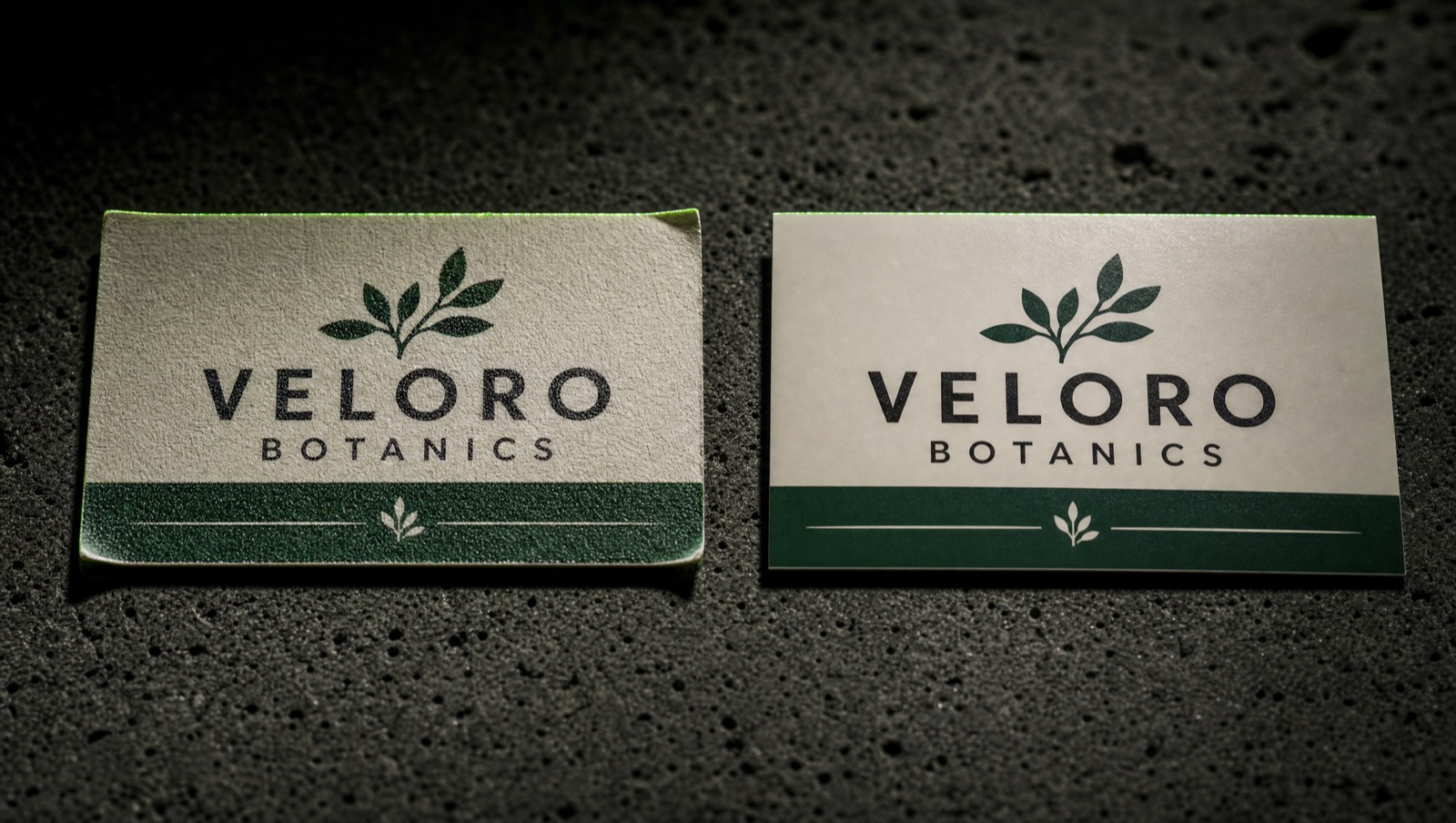
It's the most-asked question on our quote calls. The short answer: flexo is for predictable repeat work, digital is for short runs and rapid iteration. Most growing CPG programs use both.
Flexographic printing
Flexo uses physical printing plates — one per color — mounted on cylinders. Setup costs are real (plates, anilox rolls, ink mixing) but per-label cost drops sharply at higher volumes. Best for:
- Long runs (10,000+ labels)
- SKUs that don't change frequently
- Multi-color jobs with embellishments
- Specialty substrates and finishes
Digital printing
Digital uses inkjet or toner — no plates required. Setup is essentially zero, so short runs are economic. Variable data (each label different) is built in. Best for:
- Short runs (under 5,000 labels)
- Rapid iteration and frequent revisions
- Multiple SKUs in one job
- Variable data, sequential numbers, or QR codes
The crossover zone
For most shops, the crossover falls somewhere between 5,000 and 10,000 labels — above that, flexo's lower per-label cost typically wins. Our digital setup is different. Because of the equipment we run, our crossover point can reach 20,000 labels depending on substrate and embellishment. That means more jobs stay on digital longer, and the decision between technologies isn't forced before it needs to be. Your label vendor should be able to quote both and tell you honestly which fits — not default to whichever press is open.
Why most CPG brands need both
A typical multi-SKU brand has high-volume hero SKUs (flexo) and long-tail SKUs that don't justify flexo setup costs (digital). Running both under one vendor — with one quality program, one account team, and one source of accountability — is operationally simpler than splitting work across two vendors.
// READY TO PRINT
Need labels for your project?
One call. Consider it done.