Case Study
How a 400-SKU brand caught a $10,000 revision mistake
A 400-SKU CPG brand reordered Revision 1 of a label. The current spec was Revision 2. Here's what happened next.
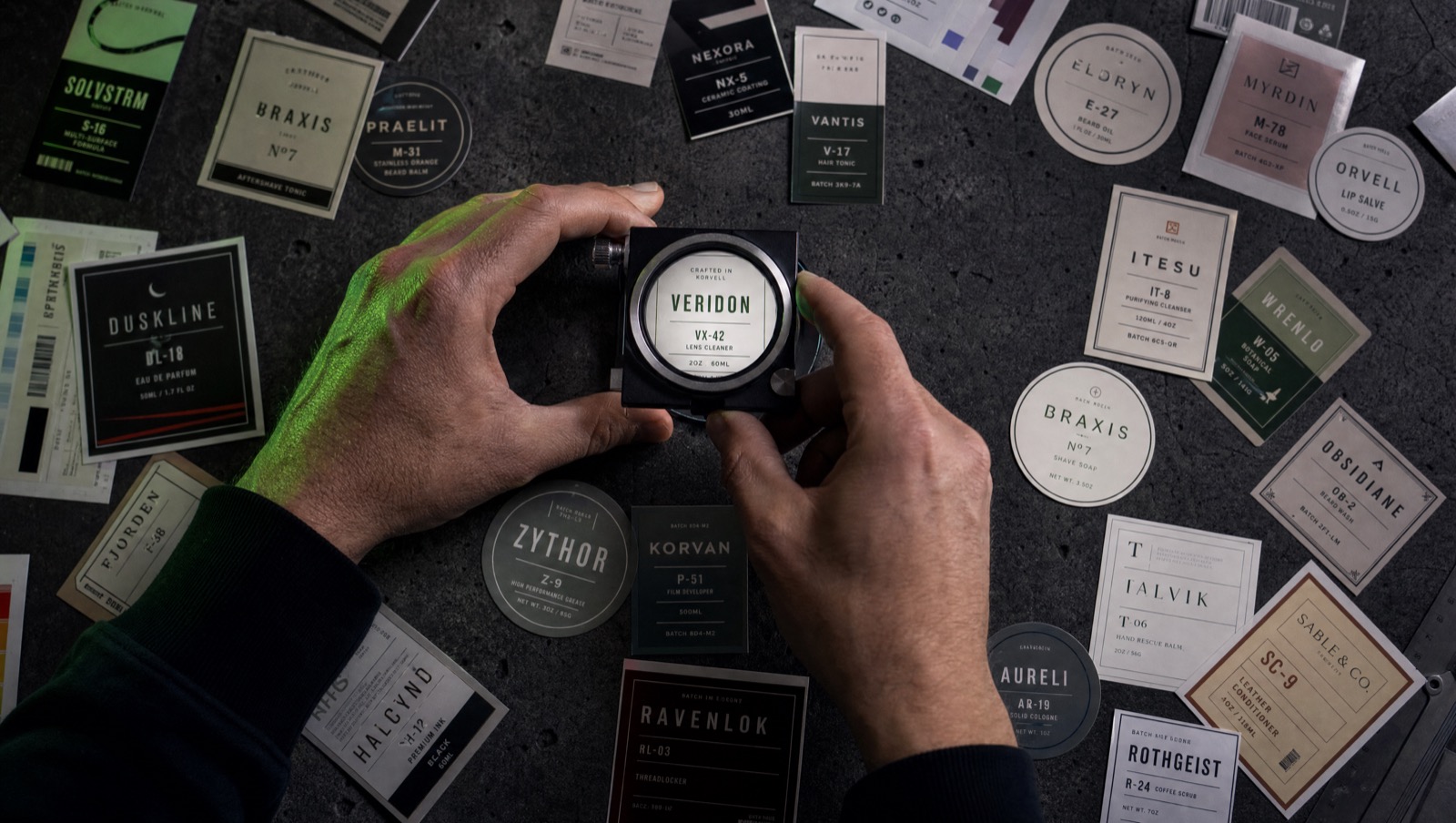
One of our customers manages a label program with 400+ active SKUs across multiple retail channels. Revisions happen constantly — formula changes, regulatory updates, packaging refreshes. Their team is sharp. But when you've got 400 line items moving in parallel, a slip is statistically inevitable.
What happened
Last quarter, their purchasing agent placed a routine reorder for 10,000 labels. The artwork on the PO was their previous version: Revision 1.
The current approved spec was Revision 2, which had been finalized three months earlier. Reprinting Revision 1 would have meant labels that didn't match the current approved spec — a regulatory issue and a recall risk.
What we caught
Our pre-press team noticed the version mismatch during artwork review. They flagged it before the job hit the press. A 5-minute call to the customer's purchasing agent resolved the discrepancy: yes, they wanted Revision 2.
The cost avoided
The customer estimated the cost of catching this on the back end — after labels were printed, applied, and shipped — at roughly $10,000 in scrap, rework, and recall risk. We caught it on the front end for the cost of one phone call.
Why it matters
This isn't a technology story. It's a tribal-knowledge story. Our team has been working with this customer's program for years. We knew what version was current. The same account team stays on your program, which is why this got caught instead of printed exactly as the PO requested.
That's what independence and tenure buy you.
// READY TO PRINT
Need labels for your project?
One call. Consider it done.